Exploring Lifelong Vitality
A Guide to Sustaining Mobility Beyond 40
Educational content only. No promises of outcomes.
Exploring Key Concepts
Understanding Mobility
Mobility refers to the ability to move freely and comfortably throughout daily life. As we age, maintaining this capacity becomes increasingly important for independence and quality of life. The human body is designed for movement, and consistent physical activity supports the natural functioning of joints, muscles, and the nervous system.
Exploring the principles of movement helps us understand why staying active is beneficial for overall well-being and longevity.
Movement and Flexibility
Structured Wellness
The Role of Structure
Creating a structured approach to daily wellness involves understanding the interconnected aspects of health: physical activity, proper nutrition, and mindful living. Structure provides a framework for consistency, which is fundamental to sustaining benefits over time.
By exploring how these elements work together, we can better appreciate why integrated approaches to wellness are often more effective than isolated interventions.
The Power of Movement
Types and Benefits of Physical Activity
Movement comes in many forms, each offering distinct advantages for flexibility, strength, and cardiovascular health:
- Stretching and Flexibility Work: Gentle stretching helps maintain joint range of motion and can be incorporated into daily routines, particularly effective as part of morning rituals.
- Walking: A low-impact activity that supports cardiovascular health and can be adapted to various fitness levels and environments.
- Strength Training: Resistance-based activities support muscle maintenance and bone density, important factors for mobility in later life.
- Balance and Coordination Exercises: Activities that challenge proprioception and stability contribute to fall prevention and functional independence.
- Yoga and Tai Chi: Mind-body practices that combine movement, breathing, and awareness to support flexibility and well-being.
The choice of activity should align with individual preferences and abilities, as consistency and enjoyment are key to long-term engagement.
Nutritional Cornerstones
Essential nutrients play foundational roles in supporting overall health and mobility.
Calcium and Vitamin D
Calcium is essential for bone structure, while Vitamin D facilitates calcium absorption. Together, they form a cornerstone of bone health throughout life. Sources include dairy products, leafy greens, fatty fish, and fortified foods.
Magnesium and Phosphorus
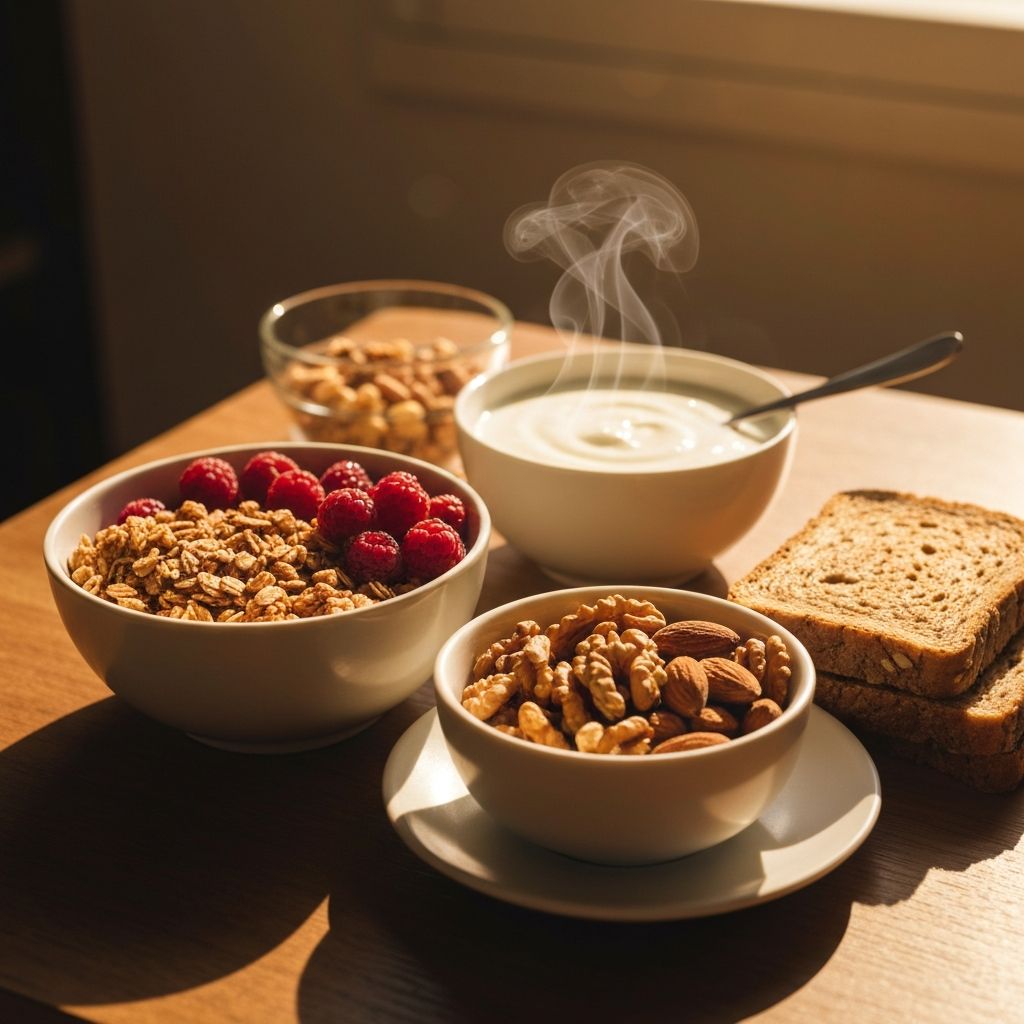
These minerals work in concert with calcium to support bone formation and function. Magnesium also plays roles in muscle function and energy production. Found in nuts, seeds, whole grains, and vegetables.
Balanced Nutrition
A varied diet rich in fruits, vegetables, whole grains, and lean proteins provides not only minerals but also antioxidants and other compounds that support overall well-being and healthy aging.
Benefits of an Active Lifestyle
Enhanced Mobility
Regular movement maintains and improves range of motion, supporting daily activities and independence.
Improved Strength
Physical activity supports muscle maintenance and development, which is crucial for maintaining posture and preventing falls.
Mental Well-being
Physical activity is linked to improved mood, cognitive function, and overall quality of life.
Social Connection
Many activities can be done with others, supporting social engagement and community involvement.
Daily Habits for Well-being
Explore practical habits that contribute to sustained vitality.
Morning Stretching
Beginning the day with gentle stretching can enhance flexibility, increase circulation, and establish a positive mindset for the day ahead.
Hydration
Consistent water intake supports all bodily functions, including joint health, digestion, and cognitive function.
Balanced Meals
Eating at regular intervals with nutrient-dense foods provides sustained energy and supports overall health.
Quality Sleep
Adequate sleep is essential for recovery, cognitive function, and overall well-being, supporting the body's natural restoration processes.
Outdoor Time
Spending time in nature supports mental health, provides natural light for Vitamin D synthesis, and often encourages movement.
Mindful Practices
Meditation, breathing exercises, and mindfulness can reduce stress and enhance overall quality of life.
Understanding Body Mechanics
Natural Aging Process
The human body undergoes natural changes throughout life. Understanding these changes helps us appreciate why certain practices become increasingly important with age.
Movement and Joint Function
Regular movement maintains synovial fluid production in joints, which supports smooth motion and flexibility throughout life.
Muscle and Bone Adaptation
Both muscle and bone tissue respond to physical demands through adaptation processes. Consistent use promotes maintenance and resilience.
Integrated Systems
The body's systems are interconnected. Movement affects not only muscles and bones but also cardiovascular health, balance, and cognitive function.
Sustaining Long-term Vitality
Understanding these mechanisms underscores why consistency, variety, and balance in daily activities support sustained mobility and quality of life.
Common Myths Debunked
Myth: Activity is only for young people.
Reality: Movement and physical activity benefit individuals at all stages of life. Adaptation is key—what changes is not the importance of activity, but how it is performed.
Myth: You cannot improve flexibility after 40.
Reality: The body maintains its capacity for adaptation throughout life. Consistent stretching and movement practices can maintain and improve flexibility regardless of age.
Myth: Bone health is determined solely by genetics.
Reality: While genetics play a role, nutrition, physical activity, and lifestyle choices significantly influence bone health and resilience throughout life.
Myth: You need extreme exercise for health benefits.
Reality: Consistent, moderate activity often provides substantial benefits. Consistency and sustainability are more important than intensity.
Frequently Asked Questions
Morning stretching is popular as it can enhance circulation and prepare the body for daily activity. However, stretching at any time of day offers benefits. The best time is when you can be consistent with the practice.
General guidance suggests aiming for regular physical activity throughout the week, balanced with rest. This can include a mix of cardiovascular activity, strength work, and flexibility exercises. Individual needs vary based on fitness level and health status.
Yes. A diet rich in calcium, Vitamin D, magnesium, and phosphorus supports bone health. Additionally, consistent physical activity, particularly weight-bearing exercises, plays a crucial role in bone maintenance and resilience.
No. The body responds positively to movement at any age. Starting gradually and building consistency is more important than intensity. Many benefits of physical activity appear quickly once regular activity begins.
Calcium and Vitamin D are foundational, as Vitamin D enables calcium absorption. Magnesium and phosphorus also play important roles. A balanced diet naturally provides these nutrients in appropriate combinations.
Stretching maintains and expands the range of motion in joints. Regular practice helps muscles remain flexible and supports the body's natural ability to move through its full range of motion in daily life.
Limitations and Context
The content provided on Kivio is strictly for informational and educational purposes only. It is not intended to be a substitute for professional medical advice, diagnosis, or treatment. We do not offer individual recommendations, and approaches to health and well-being vary greatly among individuals. Always consult with a qualified healthcare professional for any health concerns or before making any changes to your diet, exercise, or lifestyle. The information presented here should not be used for diagnosing or treating a health problem or disease, and it does not replace the need for personal professional decisions.